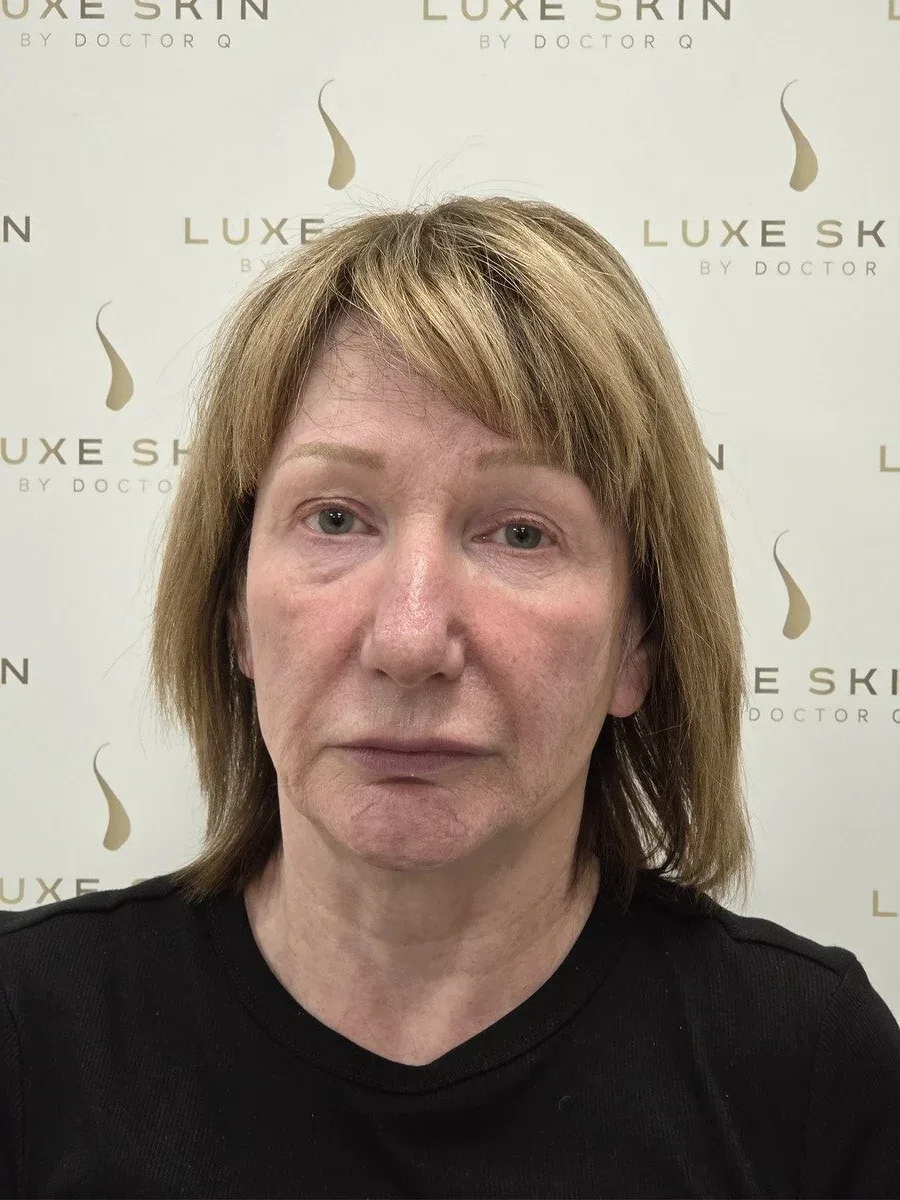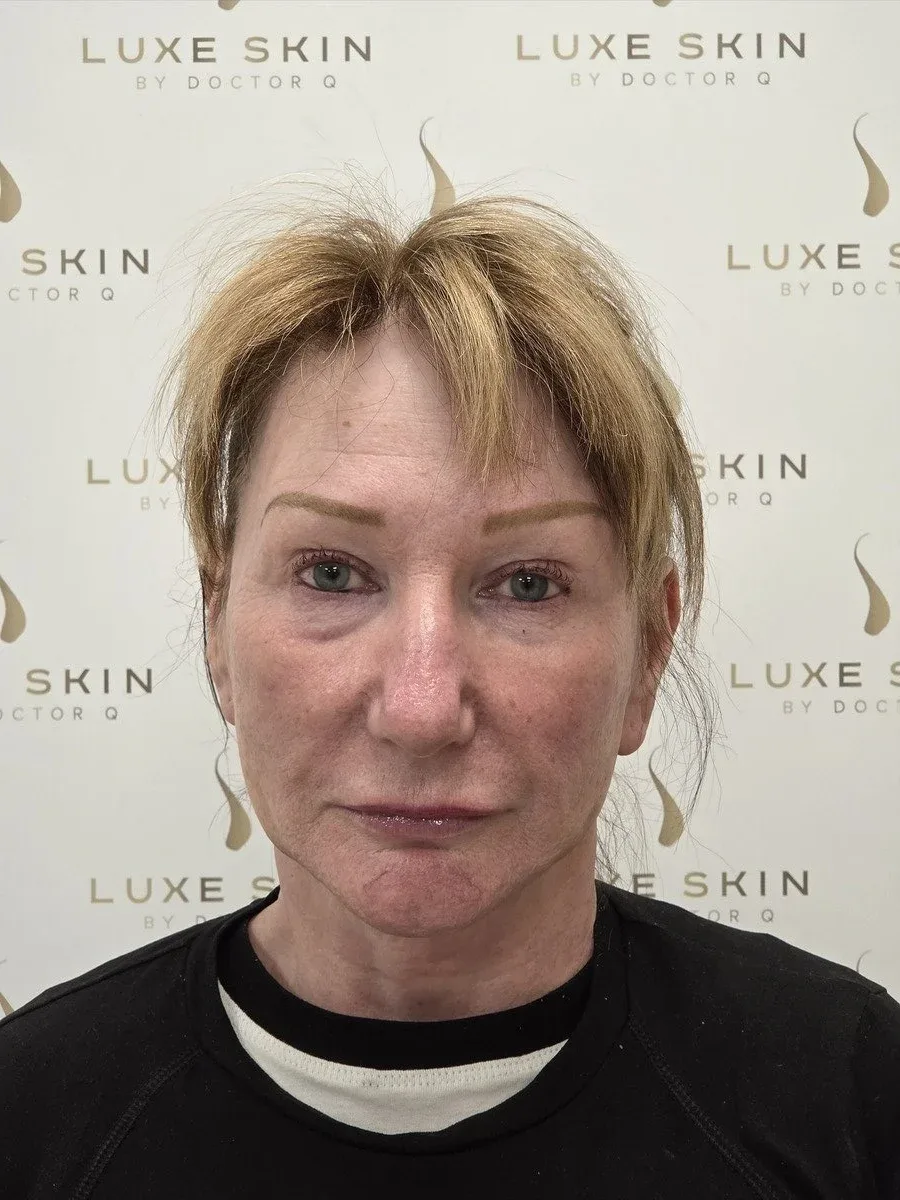




















Spring threads are permanent suspension threads used to lift and support facial tissue without surgery. Unlike the dissolvable threads most clinics use, they are not absorbed by the body: a spring structure holds the lift in place and flexes with the face as it moves.
That one difference, permanent rather than dissolvable, is what the rest of this page is about: what the threads are made to do, how they behave once they are in, how they differ from PDO, PLLA and PCL threads, what the risks are and who they suit. If you have already read enough and want the treatment itself, the spring thread lift at our Glasgow clinic is set out in full on its own page.
What are spring threads?
A spring thread is a suspension thread built around a spring, placed along planned anatomical vectors so that it repositions and supports tissue at a deeper structural level rather than tightening the skin at the surface. The spring is what makes it behave differently from an ordinary thread: it provides continuous mechanical support while still allowing flexibility, absorbing facial movement instead of resisting it, which keeps tension off the tissue.
Because they are not designed to dissolve, the threads stay in place to go on providing structural support. Over time the body forms collagen around them, which reinforces that support and improves skin quality in the treated area. The lift comes from repositioning tissue, not from pulling skin, which is why a well placed spring thread lift should look balanced both at rest and in expression.
At Luxe Skin the threads used in Dr Q's permanent lift have a solid silicone core wrapped in a polyester spring, and they are placed to lift the midface, define the jawline and restore facial proportion. Placement is planned from an assessment of the individual face, including bone structure and the way the face moves, rather than from a fixed thread pattern.
How spring threads differ from PDO, PLLA and PCL threads
PDO, PLLA and PCL threads are all absorbable. They lift, they stimulate collagen as they break down, and then the physical lifting structure goes, which is why those treatments are repeated. Spring threads are the other approach: the lifting structure is meant to remain, so support does not depend on how quickly a material dissolves. Our comparison of the three dissolvable thread materials sets out how each of those behaves.
Longevity is the practical consequence. Most patients have stable lifting support for several years, although natural ageing carries on around it, and how long any individual holds their result depends on facial anatomy, skin quality and lifestyle, which are assessed at consultation rather than promised in advance.
Are spring threads safe?
When the procedure is performed by an experienced medical practitioner, a spring thread lift is considered a safe one. Safety is closely tied to that experience, because the threads are worked into deeper tissue layers, so full medical assessment, sterile technique and precise anatomical planning matter more here than they do with a surface treatment. At Luxe Skin the treatment is carried out by Dr Q.
It is still a procedure, and the risks belong in the same sentence as the benefits: infection, bruising, swelling, nerve damage, scarring and asymmetry between the two sides of the face are all possible, and the chance of an unexpected outcome rises sharply with an inexperienced injector. Most patients are back to normal activity within a few days, with mild swelling, tenderness, temporary tightness or minor bruising settling on their own. Anything you are unsure about belongs in the consultation, before you book.
Spring Thread Face Lift vs. Traditional Face/Neck Lift
Many people are hesitant to go under the knife when considering a face and neck lift. Spring Thread face lifts offer a less invasive alternative to traditional surgical procedures while providing dramatic results.
A Spring Thread Face lift is less invasive than a traditional face and neck lift because it does not require general anaesthesia or an extended recovery time. With this procedure, patients can often return to their daily activities within two days after the treatment. This type of lift also requires only one session for completion, as opposed to multiple sessions with traditional face and neck lift placement, which can lead to uneven results. Furthermore, since this type of lift is still relatively new, the long-term effects have yet to be seen compared to those of more established techniques such as facelifts and neck lifts.
Choosing a Spring Thread Face Lift or a traditional face and neck lift will depend heavily on your individual needs and aesthetic goals. Both options offer unique benefits that must be weighed carefully before deciding which route best suits you.
The Benefits of Spring Thread Face Lift
The benefits of Spring Thread Face Lift make it an ideal alternative to the traditional face and neck lift. It offers a much shorter recovery time than a more invasive procedure, allowing patients to resume their normal activities in no time. The fact that you don’t even need general anaesthesia and you can have the procedure done in an outpatient setting also adds to its appeal.
The results of Spring Thread Face Lift are often immediate and long-lasting, with minimal scarring or side effects. The procedure is much less painful than a traditional facelift and requires no sutures or incisions. Patients can expect results within just a few days of the treatment.
Drawbacks associated with Spring Thread Face Lift include possible asymmetry between the left and right sides of the face, as well as potential nerve damage if mishandled by an inexperienced practitioner. It is essential to thoroughly research and find an experienced practitioner who knows how to properly use this treatment for optimal results.
Overall, Spring Thread Face Lift is an excellent option for those seeking facial rejuvenation without going through a full-fledged facelift operation. The risks associated with this non-invasive alternative are minimal compared to surgical operations, making it attractive for individuals looking for subtle changes in their appearance without significant downtime or side effects.
Ultimately, only you can decide whether Spring Thread Face Lift is suitable for you; however, you should consult with your doctor beforehand so that they can answer any questions you have about the procedure’s effectiveness or potential risks involved.
Other Potential Drawbacks of Spring Thread Face Lift
Spring Thread Face Lift is a relatively new approach to face and neck lifts, so potential drawbacks should be considered before deciding to undergo the procedure. Infection, bruising, swelling, nerve damage, scarring, and asymmetry are all risks of this treatment.
As such, you will want to select a qualified practitioner with experience performing this procedure. This will help reduce the risk of unexpected outcomes or complications during the operation and recovery period. It’s also advised that you discuss any concerns or questions with your practitioner before undergoing Spring Thread Face Lifts, as they can advise on how best to manage your recovery afterwards.
Who is a Good Candidate for Spring Thread Face Lift?
Spring Thread Face Lift may be the right choice if you are in good health and looking for a minimally invasive procedure with quick results. To determine if this treatment is suitable, you must have an in-depth consultation with your practitioner before undergoing the procedure. They will assess your case thoroughly and help you decide if Spring Thread Face Lifts are the best option for achieving your desired look.
The Bottom Line
Spring Thread Face Lift is a great option for those looking to improve the appearance of their face and neck without undergoing surgery. It provides a minimally invasive procedure with quick results while avoiding the potential risks associated with general anaesthesia. The procedure can be done in an outpatient setting, and recovery time is shorter than traditional techniques.
That said, there are some drawbacks worth considering before undergoing Spring Thread Face Lifts. Possible complications include infection, bruising, swelling, nerve damage, scarring, and asymmetry. Selecting a qualified practitioner with experience in performing the procedure is essential to reduce any risks or unexpected outcomes. Additionally, patients must consult their practitioner before undergoing Spring Thread Face Lifts to ensure it’s the best option.
Overall, when you get a Spring Thread Face Lift from an experienced practitioner who takes all necessary precautions and follows appropriate safety guidelines, the procedure can provide practical outcomes for facial rejuvenation without surgery or general anaesthesia. When considering any cosmetic treatment procedure, carefully weigh the benefits and drawbacks before deciding if it’s right for you.
Where to Get a Thread Lift Done in Glasgow
Luxe Skin strives to be the best option when considering where to get a non-surgical face lift in Glasgow and a spring thread lift done in Glasgow. With over 20 years of experience, we have built our reputation as one of the leading aesthetic clinics in the city.
Luxe Skin offers a free consultation to assess whether you are a suitable candidate for a Spring Thread Face Lift and discuss any potential risks. We use state-of-the-art equipment and techniques to ensure you achieve the desired results.
Our professional team will provide an informative, educational and supportive experience throughout your procedure, helping to make sure that everything is carried out safely and correctly. Following your thread lift procedure, we will provide aftercare advice & support on how to maintain your results.
The process is quick and easy; you can book a free consultation online or via phone at 0141 221 0221 or visit us here: 227 Ingram St, Glasgow G1 1DA, United Kingdom.
Spring Thread Face Lift may be the perfect solution for those looking for a non-surgical face lift in Glasgow. By choosing Luxe Skin, you can benefit from experienced practitioners who understand what it takes to perform this innovative procedure safely with optimal results.
Common questions about spring threads
What are spring threads? Permanent suspension threads built around a spring, placed along planned anatomical vectors to reposition and support facial tissue at a deeper level. The spring gives continuous mechanical support while flexing with facial movement, and because the threads are not absorbed the lifting structure stays in place.
Are spring threads safe? Performed by an experienced medical practitioner, with full medical assessment, sterile technique and precise anatomical planning, a spring thread lift is considered a safe procedure. Infection, bruising, swelling, nerve damage, scarring and asymmetry are the recognised risks, and practitioner experience is the single thing that most affects them.
Do spring threads dissolve? No. They are permanent suspension threads, designed to remain in place and go on providing structural support, with the surrounding tissue adapting and strengthening around them over time.
How long do spring threads last? Most patients have stable lifting support for several years. Skin quality and collagen continue to improve around the threads, while natural ageing still progresses, and longevity depends on facial anatomy, skin quality and lifestyle, which are assessed at consultation.
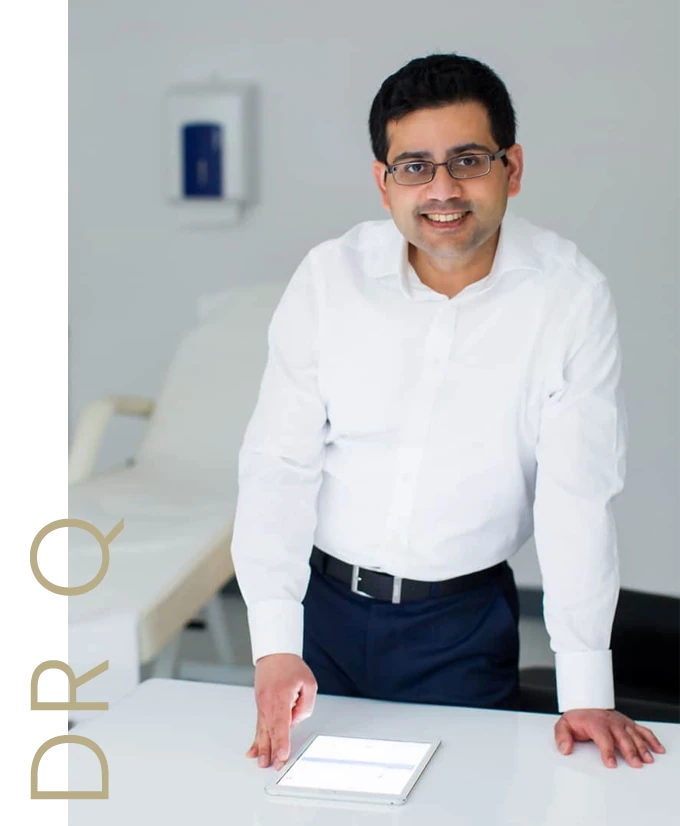
Dr Usman Qureshi (Dr Q) is a leading expert in aesthetic medicine with a 22 year career and a background spanning general practice, including A&E, and 12 years specialising in cosmetic procedures. A University of Glasgow graduate of 2002, he is the innovator behind the signature Q Lift, has performed over 20,000 procedures, and is an international speaker and trainer whose work has featured in Glamour and Harpers Bazaar.