




















Introduction
The thread lift has become one of the most sought-after non-surgical aesthetic treatments in the UK. By using dissolvable sutures to physically lift and reposition sagging skin, it offers a middle ground between dermal fillers and a traditional surgical facelift.
At Luxe Skin Aesthetic Clinic in Glasgow, Dr Usman Qureshi (Dr Q) performs advanced thread lifting techniques, including the use of PDO, PLLA, and his signature Q Lift permanent suspension threads.
While the procedure itself is minimally invasive and performed under local anaesthesia, what you do in the first fortnight decides how the threads settle. Most of the visible recovery is over within two weeks: swelling usually peaks on day two or three, bruising fades through the first week, and by the second week most patients are back to normal social and professional life. Below is the recovery day by day for the first fortnight and then week by week, so you know what is normal and what is worth ringing us about.
Thread Lift Recovery Day by Day: Days 1 to 14
If you want the recovery one day at a time rather than one week at a time, this is the shape it usually takes. Swelling is normally at its worst around day two or three, not on the day of treatment, so the face often looks less settled on day three than it did on day one. That is the single most useful thing to know before you start taking photographs of yourself.
- Day 1: tightness and a tugging sensation when you talk or chew. Mild swelling begins. The entry points are tender. Any puckering of the skin over the anchors is most obvious now. Sleep on your back with your head raised.
- Day 2: swelling is at or close to its peak. The face can look fuller and slightly uneven side to side. Bruising, if you are going to bruise, usually starts to show.
- Day 3: the day most people find hardest to look at. Swelling is at its peak or just past it, bruising is often at its most visible, and the face can read as wider rather than lifted. Nothing about this day tells you what the result will be.
- Day 4: swelling starts to ease. The tightness is still there when you speak and eat, and soft food is still the easier choice.
- Day 5: bruising begins to change colour as it fades. Tenderness at the entry points settles noticeably.
- Day 6: most people feel comfortable in company again. Expect some puffiness first thing in the morning that softens through the day.
- Day 7: the end of week one. Most of the visible swelling has gone, bruising is fading, and the pulling sensation is milder than it was.
- Days 8 to 10: the lift starts to read as a contour rather than as swelling. Make-up usually covers whatever bruising is left.
- Days 11 to 14: tightness eases to an occasional pull when you make a big expression. By the end of the fortnight most patients are back to normal social and professional life.
After day fourteen the recovery stops being something you watch daily. The collagen response around the sutures runs through weeks three and four and keeps working for months, which is covered further down this page.
What Thread Lift Recovery Photos Actually Show
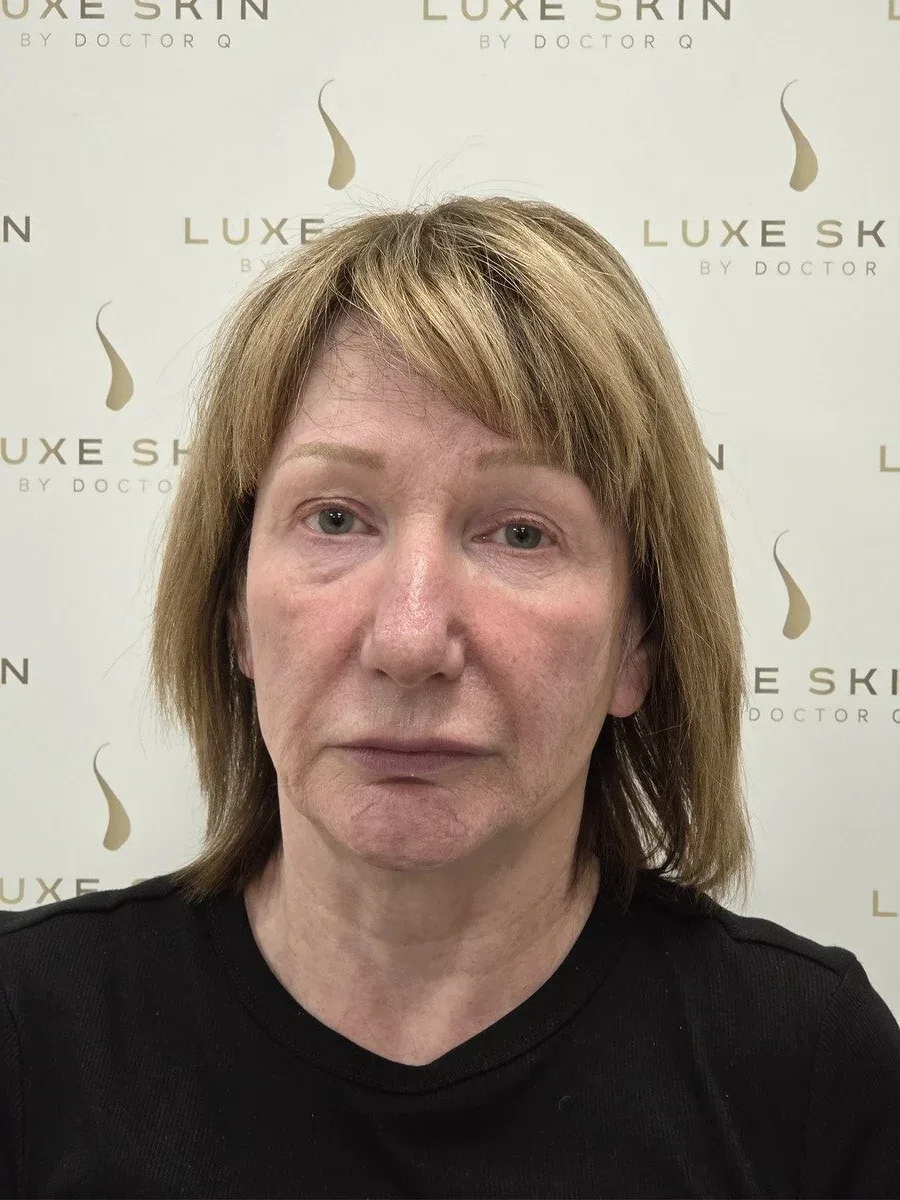
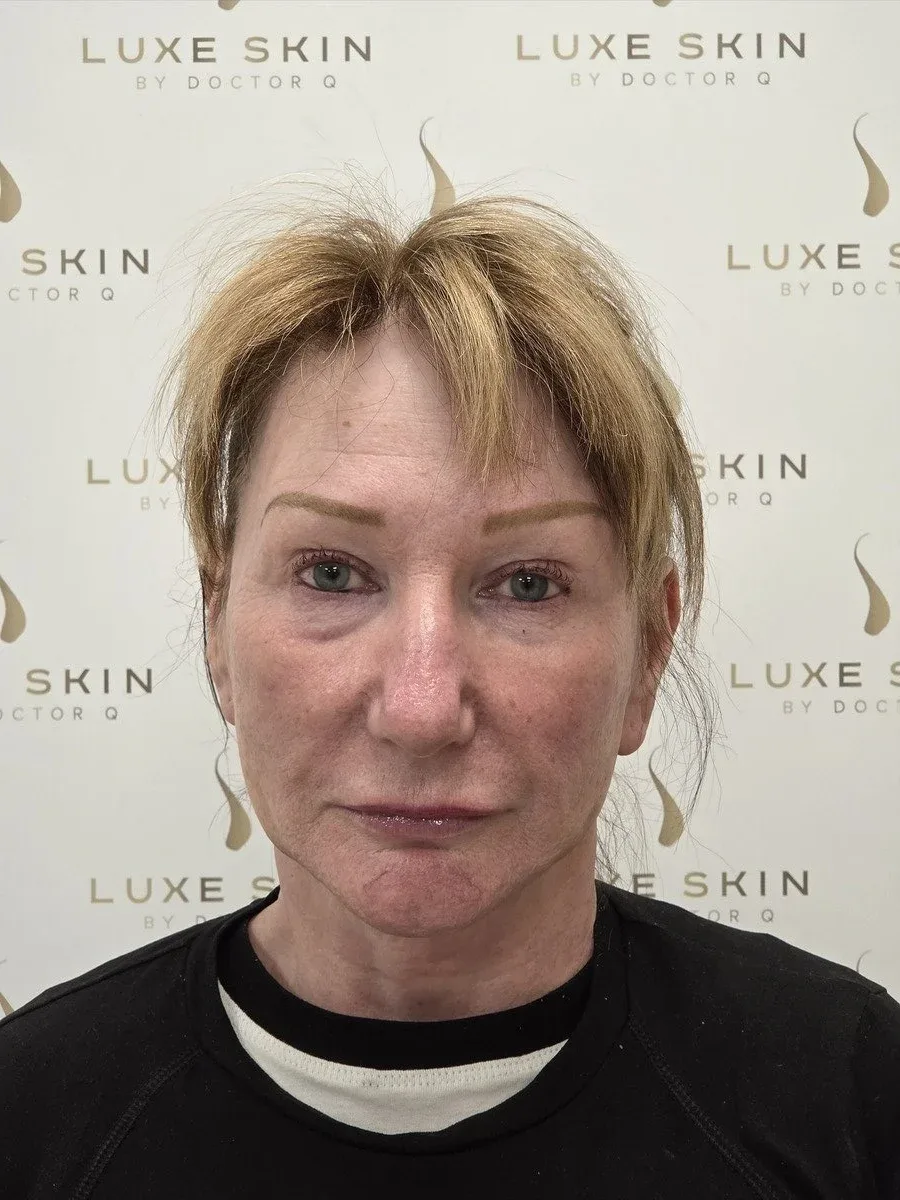
Day by day recovery photographs are searched for constantly, and they are easy to misread. A photograph taken on day two or three is a picture of swelling, not a picture of a result. It is normal for that photograph to look worse than the one taken an hour after treatment, and it tells you nothing about how the face will sit at six weeks.
A photo diary of one person also shows one person. How much someone swells and bruises depends on their anatomy, how many threads were placed and where, whether they bruise easily and what they did in the first forty eight hours. Two people can follow the same aftercare and look very different on day three.
If you want to keep your own record, the useful version is consistent rather than frequent: same room, same daylight, same angle and distance, no make-up, one photograph straight on and one of each side. Take the first before you leave the clinic, then one each morning for the first fortnight. Inconsistent lighting and a tilted chin will change the apparent contour more than the threads will.
We do not publish patient recovery diaries on this site. Clinical photographs are taken and kept with the patient's own consent and are discussed in the consultation, where Dr Q can show you what the stage you are worried about normally looks like on a face like yours. If something you see in your own photographs is not on the list above, ring the clinic rather than comparing it with a stranger's picture.
Immediate Aftermath: The First 24 Hours
The first day following your thread lift is when you will experience the most noticeable side effects. Because the procedure involves inserting threads beneath the skin to lift the tissue, your body will naturally respond with inflammation.
What You Will Experience
- Tightness and Tugging: You will feel a distinct sensation of tightness, especially when moving your face, chewing, or speaking. This is entirely normal and indicates that the threads are holding the tissue in its new, elevated position.
- Swelling and Bruising: Mild to moderate swelling is expected, particularly around the insertion points (usually near the hairline or jawline). Bruising may also begin to develop.
- Puckering or Dimpling: You might notice slight puckering or dimpling of the skin where the threads have been anchored. This is a temporary side effect that typically resolves as the threads settle.
- Tenderness: The treated areas will be tender to the touch.
Aftercare on Day 1
- Apply Ice: Gently apply cold compresses (wrapped in a cloth) to the swollen areas for 10-15 minutes at a time. Do not apply ice directly to the skin.
- Keep Your Head Elevated: Sleep on your back with your head propped up on two or three pillows to minimise overnight swelling.
- Avoid Touching Your Face: Do not massage, rub, or apply pressure to your face.
- Take Prescribed Medication: Use over-the-counter pain relief (like paracetamol) as directed by Dr Q. Avoid ibuprofen or aspirin, as they can increase bruising.
Week 1: The Settling Phase (Days 2-7)
During the first week, the initial inflammation will peak and then begin to subside. This is the most critical period for protecting the placement of the threads.
What You Will Experience
- Peak Swelling: Swelling usually peaks around day 2 or 3 before gradually decreasing.
- Bruising: Any bruising will become more apparent before it starts to fade (turning yellow or green).
- Reduced Tightness: The intense feeling of tightness will begin to ease, though you will still feel the threads when making exaggerated facial expressions.
- Dimpling Resolves: Any minor skin puckering should start to smooth out.
Aftercare in Week 1
- Restrict Facial Movements: Avoid excessive smiling, laughing, or wide yawning.
- Soft Diet: Stick to soft foods that do not require heavy chewing (e.g., soups, smoothies, mashed vegetables) to prevent straining the jawline and lower face threads.
- Gentle Cleansing: Wash your face very gently. Do not scrub or use exfoliating products.
- Avoid Makeup: It is best to avoid applying makeup over the insertion points for at least 48 hours to prevent infection.
- No Strenuous Exercise: Avoid heavy lifting, intense cardio, or any activity that raises your blood pressure or causes you to strain your facial muscles.
Week 2: Returning to Normal (Days 8-14)
By the second week, most patients feel comfortable returning to their normal social and professional activities. The visible signs of the procedure should be minimal.
What You Will Experience
- Minimal Swelling: The majority of the swelling will have resolved, revealing a more accurate picture of your lifted contours.
- Fading Bruises: Any remaining bruising can usually be easily concealed with light makeup.
- Comfortable Movement: The sensation of tightness will be significantly reduced, and normal facial expressions will feel much more comfortable.
Aftercare in Week 2
- Resume Light Exercise: You can gradually reintroduce light cardiovascular exercise (like walking or gentle cycling), but continue to avoid heavy weightlifting or high-impact workouts.
- Continue Sleeping on Your Back: It is still advisable to sleep on your back to avoid putting pressure on the sides of your face.
- Avoid Dental Work: Do not schedule any routine dental appointments, as opening your mouth wide can disrupt the threads.
- No Facial Massages: Avoid professional facials, strong facial massages, or treatments that involve pulling the skin.
Weeks 3 to 4: The Collagen Building Phase
As you enter the third and fourth weeks, the physical recovery from the insertion process is largely complete. However, the biological benefits of the thread lift are just beginning.
What You Will Experience
- Complete Settling: The threads will have fully integrated into the tissue. You should no longer feel them, and any residual tightness or dimpling will be gone.
- Improving Skin Quality: If you received PDO or PLLA threads, your body will have started producing new collagen around the sutures. You may begin to notice an improvement in skin texture, firmness, and overall radiance.
Aftercare in Weeks 3 and 4
- Resume Normal Activities: You can return to your regular exercise routine and diet.
- Skincare Routine: You can safely resume your normal skincare regimen, including the use of active ingredients (like retinol or vitamin C), provided your skin has fully healed.
- Avoid Deep Heat Treatments: Continue to avoid treatments that deliver deep heat to the dermis (such as radiofrequency or strong lasers) over the threaded areas, as this could prematurely degrade dissolvable threads.
Months 2 to 6: The Final Results
The true magic of a thread lift is revealed in the months following the procedure.
What You Will Experience
- Maximum Lift and Firmness: The collagen production stimulated by the threads reaches its peak. The skin will appear firmer, thicker, and more lifted than it did immediately after the procedure.
- Long-Lasting Rejuvenation: Depending on the type of threads used, the results can last anywhere from 12 to 18 months (for PDO/PLLA) or several years (for permanent suspension threads like the Q Lift).
Summary of the Recovery Timeline
| Recovery Phase | Expected Symptoms | Key Restrictions |
|---|---|---|
| Days 1-3 | Peak swelling, bruising, tightness, tenderness | No touching face, sleep elevated, soft diet only |
| Days 4-7 | Swelling subsides, bruising fades, dimpling smooths | No strenuous exercise, limit facial expressions |
| Weeks 2-3 | Minimal visible signs, comfortable movement | No dental work, no facial massages, light exercise only |
| Weeks 4+ | Fully settled, collagen production begins | Resume normal activities, avoid deep heat treatments |
Frequently asked questions
How long does thread lift recovery take?
Most of the visible recovery is over within a fortnight. Swelling usually peaks around day two or three and then subsides, bruising becomes more apparent before it fades through the first week, and by the second week most patients are comfortable returning to normal social and professional activities. By weeks three and four the threads have fully integrated and the physical recovery from the insertion is largely complete.
When can I exercise again after a thread lift?
Avoid heavy lifting, intense cardio and anything that raises your blood pressure or strains the facial muscles in the first week. Light cardiovascular exercise such as walking or gentle cycling can be reintroduced in week two, while heavy weightlifting and high impact workouts wait. A normal exercise routine resumes in weeks three and four.
Is puckering or dimpling after a thread lift normal?
Slight puckering or dimpling of the skin where the threads are anchored is a temporary side effect in the first day or two. It usually starts to smooth out during the first week, and any residual dimpling should be gone once the threads have settled by weeks three and four.
How should I sleep after a thread lift?
Sleep on your back with your head propped up on two or three pillows to keep overnight swelling down. Keep sleeping on your back through the second week as well, so that no pressure is put on the sides of your face while the threads settle.
Can I have dental work or a facial after a thread lift?
Not in the first fortnight. Routine dental appointments are left until later because opening the mouth wide can disrupt the threads, and professional facials or strong facial massages are avoided because they pull the skin. Deep heat treatments such as radiofrequency or strong lasers over the threaded areas are avoided for longer, as they can prematurely degrade dissolvable threads.
When do thread lift results settle?
The lift is there straight away, but swelling masks the true contour for the first fortnight. Collagen production around the sutures begins in weeks three and four, and it reaches its peak between months two and six, which is when the skin looks firmest and most lifted.
What should I eat in the first week after a thread lift?
Stick to soft foods that do not need heavy chewing, such as soups, smoothies and mashed vegetables, so the jawline and lower face threads are not strained. Normal eating resumes once the first week is over and the tightness has eased.
Which day is the worst after a thread lift?
Day two or three for most people. Swelling peaks then rather than on the day of treatment, and bruising is often at its most visible at the same time, so the face can look fuller and less even than it did on day one. It starts easing from day four.
Are day by day thread lift recovery photos reliable?
They show how one person swelled and bruised, not what your result will be. A photograph taken while swelling is at its peak is a picture of swelling. If you keep your own record, take it in the same light, at the same angle and without make-up each morning, and judge the contour only once the fortnight is over.
Book Your Thread Lift Consultation in Glasgow
A thread lift offers a remarkable way to rejuvenate the face, lift sagging jowls, and restore youthful contours without the downtime of traditional surgery. However, the success of the treatment relies heavily on the skill of the practitioner and your commitment to the recovery process.
At Luxe Skin, Dr Usman Qureshi brings over 12 years of aesthetic medical experience to every procedure. With a deep understanding of facial anatomy and a commitment to natural-looking results, Dr Q will guide you through every step of your thread lift journey.
Book a consultation at Luxe Skin and Dr Q will tell you whether threads are the right answer for your face, or whether something else would serve you better.

Dr Usman Qureshi (Dr Q) is a leading expert in aesthetic medicine with a 22 year career and a background spanning general practice, including A&E, and 12 years specialising in cosmetic procedures. A University of Glasgow graduate of 2002, he is the innovator behind the signature Q Lift, has performed over 20,000 procedures, and is an international speaker and trainer whose work has featured in Glamour and Harpers Bazaar.